When you want to make your writing clearer, more colorful, and more interesting, similes are a great tool.
Similes for use help you compare one thing with another using words such as “like” or “as.” They allow readers to picture an idea instead of simply reading a plain description.
For example, instead of saying, “She was very happy,” you might say, “She was as happy as a child on Christmas morning.” The second sentence gives the reader a stronger picture.
In simple terms, similes make ordinary ideas easier to imagine. They can describe people, feelings, places, actions, sounds, and objects.
They are also useful in stories, poems, school assignments, social media posts, and everyday writing.
Let’s explore 50 useful similes with simple meanings, short explanations, and clear examples. By the end, you will understand the meaning of similes and learn how to use similes in writing naturally.
50 Similes for Use
1. Use it like a tool
Meaning: Use something in a practical or helpful way.
Explanation: This simile compares using something effectively to using a useful tool.
Examples:
- She used her notebook like a tool for organizing her ideas.
- Use your time like a tool to reach your goals.
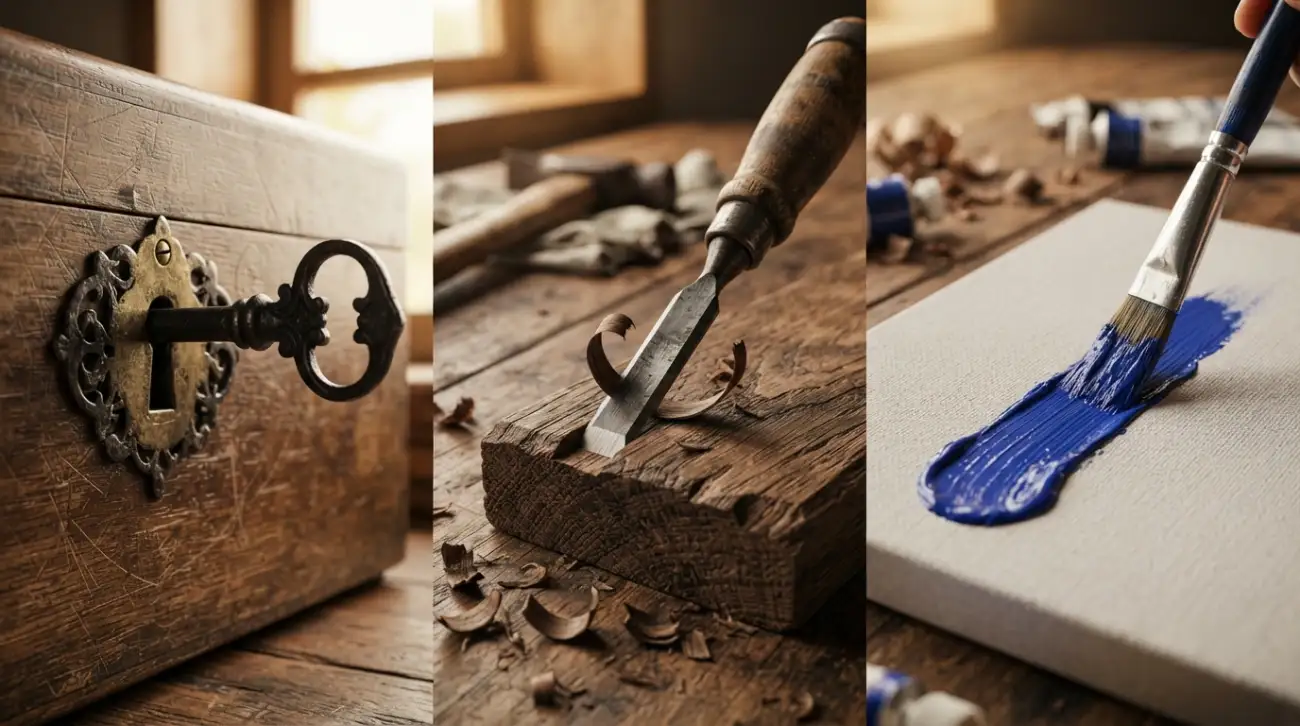
2. Use it like a key
Meaning: Use something to unlock an opportunity or solution.
Explanation: A key opens a door, so this simile suggests that something can help solve a problem.
Examples:
- Use your knowledge like a key to open new opportunities.
- He used the advice like a key to solve the problem.
3. Use it like a bridge
Meaning: Use something to connect two things.
Explanation: A bridge connects places, so this comparison describes something that creates a connection.
Examples:
- Use communication like a bridge between people.
- She used the story like a bridge to connect the two ideas.
4. Use it like a map
Meaning: Use something as a guide.
Explanation: A map helps people find their way, making it a useful comparison for guidance.
Examples:
- Use the instructions like a map when starting the project.
- He used the book like a map to understand the subject.
5. Use it like a compass
Meaning: Use something to guide your decisions.
Explanation: A compass points the way, so this simile describes something that helps you choose a direction.
Examples:
- Use your values like a compass in difficult situations.
- She used her goals like a compass throughout the year.
6. Use words like paint
Meaning: Use words to create vivid pictures.
Explanation: Paint creates visual images, just as strong words can create pictures in a reader’s mind.
Examples:
- Writers use words like paint to create beautiful scenes.
- She used descriptions like paint across every page.
7. Use your imagination like a playground
Meaning: Use your imagination freely.
Explanation: A playground gives people space to explore and have fun, just as imagination allows creative freedom.
Examples:
- Use your imagination like a playground when writing stories.
- The children used their ideas like a playground for new games.
8. Use your mind like a sponge
Meaning: Learn and absorb information quickly.
Explanation: A sponge absorbs water, so this simile compares the mind to something that absorbs knowledge.
Examples:
- She used her mind like a sponge during the lesson.
- Young learners can use their minds like sponges.
9. Use time like gold
Meaning: Treat time as something very valuable.
Explanation: Gold is valuable, so this simile encourages people to value their time.
Examples:
- Use your time like gold when preparing for exams.
- He uses every free minute like gold.
10. Use your voice like a bell
Meaning: Speak clearly and strongly.
Explanation: A bell is easy to hear, so the comparison suggests a clear and noticeable voice.
Examples:
- Use your voice like a bell when speaking to the crowd.
- She used her voice like a bell during the presentation.
11. Use silence like a shield

Meaning: Use silence for protection or self-control.
Explanation: A shield protects someone, while silence can sometimes protect feelings or prevent conflict.
Examples:
- He used silence like a shield during the argument.
- She used quietness like a shield when others became rude.
12. Use laughter like medicine
Meaning: Use laughter to bring comfort or happiness.
Explanation: Medicine helps people feel better, while laughter can improve someone’s mood.
Examples:
- They used laughter like medicine after a difficult day.
- Her jokes worked like medicine when everyone felt sad.
13. Use kindness like sunlight
Meaning: Use kindness to make others feel better.
Explanation: Sunlight brings warmth and brightness, just as kindness can brighten someone’s day.
Examples:
- Use kindness like sunlight wherever you go.
- His friendly words spread like sunlight through the room.
14. Use patience like a strong rope
Meaning: Rely on patience during difficult times.
Explanation: A strong rope can hold weight, just as patience can help someone handle challenges.
Examples:
- Use patience like a strong rope when solving hard problems.
- She held onto patience like a rope during the stressful week.
15. Use knowledge like a lantern
Meaning: Use knowledge to guide yourself or others.
Explanation: A lantern provides light, so knowledge is compared to something that helps people see clearly.
Examples:
- Use knowledge like a lantern when making decisions.
- His experience became like a lantern for younger students.
16. Use mistakes like stepping stones
Meaning: Learn from mistakes and move forward.
Explanation: Stepping stones help people cross water, so mistakes can become steps toward improvement.
Examples:
- Use your mistakes like stepping stones to become better.
- She treated failures like stepping stones toward success.
17. Use failure like a teacher
Meaning: Learn from unsuccessful experiences.
Explanation: A teacher provides lessons, and failure can also teach valuable lessons.
Examples:
- Use failure like a teacher instead of giving up.
- He used every mistake like a teacher.
18. Use experience like a book
Meaning: Learn from what has happened to you.
Explanation: Books contain lessons and information, while experiences can teach us through real life.
Examples:
- Use experience like a book and learn from every chapter.
- She used her past like a book full of lessons.
19. Use curiosity like a flashlight
Meaning: Use curiosity to discover new things.
Explanation: A flashlight helps you see in the dark, while curiosity helps you explore the unknown.
Examples:
- Use curiosity like a flashlight when learning something new.
- His questions worked like a flashlight in the confusing topic.
20. Use creativity like a spark
Meaning: Use creativity to start new ideas.
Explanation: A spark can start a fire, just as a creative idea can begin something exciting.
Examples:
- Use creativity like a spark to begin your story.
- Her idea started like a spark and became a full project.
21. Use your heart like a guide

Meaning: Let your feelings help guide your choices.
Explanation: The heart is often linked with emotions, so this simile describes emotional guidance.
Examples:
- Use your heart like a guide when helping someone.
- She used compassion like a guide in her work.
22. Use music like a heartbeat
Meaning: Let music provide energy or rhythm.
Explanation: A heartbeat gives the body a natural rhythm, just as music can give energy to an activity.
Examples:
- Use music like a heartbeat while practicing your dance.
- The drummer used rhythm like a heartbeat for the song.
23. Use books like windows
Meaning: Use books to discover new worlds and ideas.
Explanation: Windows let us see outside, while books can help us see experiences beyond our own.
Examples:
- Use books like windows into different cultures.
- She saw history like a window through old novels.
24. Use questions like keys
Meaning: Use questions to find answers.
Explanation: Keys open locks, while good questions can open understanding.
Examples:
- Use questions like keys to explore difficult subjects.
- He used simple questions like keys to understand the lesson.
25. Use practice like a ladder
Meaning: Use practice to improve step by step.
Explanation: A ladder helps someone climb higher, just as practice helps build skill.
Examples:
- Use practice like a ladder toward success.
- She used daily practice like a ladder to improve her writing.
26. Use discipline like an anchor
Meaning: Use discipline to stay focused and steady.
Explanation: An anchor keeps a boat from drifting, just as discipline can keep someone focused.
Examples:
- Use discipline like an anchor when distractions appear.
- His routine worked like an anchor during busy days.
27. Use confidence like a shield
Meaning: Use confidence to protect yourself from doubt.
Explanation: A shield provides protection, while confidence can help people handle criticism and fear.
Examples:
- Use confidence like a shield when speaking in public.
- She carried confidence like a shield into the competition.
28. Use kindness like a seed
Meaning: Small acts of kindness can grow into something bigger.
Explanation: A seed can grow into a plant, just as kindness can lead to more positive actions.
Examples:
- Use kindness like a seed and let it grow.
- One kind word can spread like a seed through a community.
29. Use hope like a candle
Meaning: Keep hope during difficult times.
Explanation: A candle gives light in darkness, making it a strong comparison for hope.
Examples:
- Use hope like a candle when life feels difficult.
- She kept hope like a candle burning in her heart.
30. Use courage like a mountain
Meaning: Show strong and steady bravery.
Explanation: Mountains are strong and difficult to move, so they represent strength and courage.
Examples:
- Use courage like a mountain when facing challenges.
- He stood like a mountain against his fears.
31. Use energy like a river

Meaning: Use energy continuously and actively.
Explanation: A flowing river keeps moving, making it a useful comparison for constant energy.
Examples:
- Use your energy like a river and keep moving forward.
- She worked with energy like a river all afternoon.
32. Use focus like a laser
Meaning: Concentrate very strongly on one thing.
Explanation: A laser focuses its energy on a narrow point, making it a strong comparison for concentration.
Examples:
- Use your focus like a laser during the exam.
- He worked like a laser on his main goal.
33. Use imagination like a kite
Meaning: Let your imagination rise freely.
Explanation: A kite moves through the open sky, just as imagination can explore unlimited ideas.
Examples:
- Use your imagination like a kite and explore new ideas.
- Her creativity flew like a kite across the page.
34. Use learning like a journey
Meaning: Treat learning as a process with many stages.
Explanation: A journey has different steps and destinations, just as learning develops over time.
Examples:
- Use learning like a journey, not a race.
- He viewed education like a journey full of discoveries.
35. Use words like building blocks
Meaning: Choose words carefully to construct ideas.
Explanation: Building blocks are combined to make structures, while words combine to create sentences and stories.
Examples:
- Use words like building blocks when writing a story.
- She chose each sentence like a building block for her essay.
36. Use stories like mirrors
Meaning: Use stories to understand yourself or others.
Explanation: A mirror reflects an image, while stories can reflect human feelings and experiences.
Examples:
- Use stories like mirrors to understand human emotions.
- The novel worked like a mirror for her own experiences.
37. Use questions like stepping stones
Meaning: Use questions to move toward understanding.
Explanation: Stepping stones help someone cross from one place to another, just as questions can lead toward answers.
Examples:
- Use questions like stepping stones during research.
- His questions became like stepping stones toward the solution.
38. Use feedback like a mirror
Meaning: Use feedback to see your strengths and weaknesses.
Explanation: A mirror shows what you look like, while feedback can show how your work appears to others.
Examples:
- Use feedback like a mirror to improve your writing.
- She treated comments like a mirror for her work.
39. Use challenges like weights
Meaning: Use difficult tasks to build strength.
Explanation: Weight training can make muscles stronger, while challenges can build skills and resilience.
Examples:
- Use challenges like weights to strengthen your abilities.
- He treated difficult tasks like weights at the gym.
40. Use goals like stars
Meaning: Use goals as points to guide your progress.
Explanation: Stars can help people find direction, so goals are compared to guiding stars.
Examples:
- Use your goals like stars to guide your journey.
- She kept her dreams like stars in front of her.
41. Use time like a river
Meaning: Recognize that time keeps moving.
Explanation: A river flows continuously, just as time moves forward and cannot be stopped.
Examples:
- Use your time like a river and let each moment move forward.
- Time flows like a river If we notice it or not.
42. Use opportunity like a doorway

Meaning: Use opportunities to enter new possibilities.
Explanation: A doorway provides an entrance, so an opportunity can be compared to an opening toward something new.
Examples:
- Use every opportunity like a doorway to growth.
- She saw the new job like a doorway to a new career.
43. Use advice like a compass
Meaning: Use helpful advice to guide your actions.
Explanation: A compass helps travelers find direction, while advice can help people make better choices.
Examples:
- Use good advice like a compass when making decisions.
- He used his mentor’s words like a compass.
44. Use language like a bridge
Meaning: Use language to connect people.
Explanation: A bridge connects two places, while language can connect people from different backgrounds.
Examples:
- Use language like a bridge between cultures.
- She used simple words like a bridge between the two groups.
45. Use reading like exercise
Meaning: Practice reading regularly to strengthen your skills.
Explanation: Exercise strengthens the body, while regular reading can strengthen language and thinking skills.
Examples:
- Use reading like exercise for your mind.
- He reads daily like exercise for his vocabulary.
46. Use writing like a window
Meaning: Use writing to show thoughts and ideas.
Explanation: A window lets people see through it, while writing can let readers see the writer’s thoughts.
Examples:
- Use writing like a window into your imagination.
- Her journal became like a window into her feelings.
47. Use creativity like a garden
Meaning: Develop creativity with care and practice.
Explanation: A garden needs care to grow, just as creativity grows when you practice and explore ideas.
Examples:
- Use creativity like a garden and give it time to grow.
- She treated her ideas like a garden that needed care.
48. Use failure like fuel
Meaning: Use failure as motivation to keep going.
Explanation: Fuel powers a machine, while past failures can provide motivation for future effort.
Examples:
- Use failure like fuel for your next attempt.
- He turned criticism like fuel into motivation.
49. Use success like a stepping stone
Meaning: Use one achievement to move toward another goal.
Explanation: A stepping stone helps you move forward, so success can become a step toward greater achievements.
Examples:
- Use each success like a stepping stone toward your next goal.
- She treated the award like a stepping stone to bigger projects.
50. Use creativity like a flame
Meaning: Keep your creative ideas alive and active.
Explanation: A flame continues when it has fuel, just as creativity grows when you keep practicing and exploring.
Examples:
- Use creativity like a flame and keep your ideas alive.
- Reading helped her keep her imagination like a flame.
Practical Exercise: Test Your Simile Skills
1. Complete the sentence: “Use your knowledge like a ______.”
Answer: lantern
2. What does “Use your time like gold” mean?
Answer: It means to treat your time as valuable.
3. Complete the sentence: “Use practice like a ______.”
Answer: ladder
4. What does “Use books like windows” suggest?
Answer: Books can help you discover new ideas, places, and experiences.
5. Complete the sentence: “Use curiosity like a ______.”
Answer: flashlight
6. Which simile describes using questions to find answers?
Answer: Use questions like keys.
7. What does “Use failure like a teacher” mean?
Answer: It means learning useful lessons from failure.
8. Complete the sentence: “Use kindness like ______.”
Answer: sunlight or a seed
9. Which simile means staying strongly focused?
Answer: Use focus like a laser.
10. Create your own simile using the word “creativity.”
Answer: One possible answer is: “Use creativity like a spark.”
Conclusion:
Similes can make simple writing much more vivid and memorable. They help readers picture ideas, understand feelings, and connect with your words.
As you have seen in these 50 examples of similes, comparisons can describe learning, creativity, time, courage, kindness, writing, and many other ideas.
The key is to use a comparison that makes sense and adds meaning. You do not need complicated words to create strong simile sentences.
Start with something familiar, think about what it reminds you of, and connect the two with like or as.
Now try creating your own creative writing similes. The more you practice, the easier it becomes to understand how to use similes in writing.

Ethan Whitmore is the founder and lead writer of Similezvio.com, passionate about exploring meanings, language, literature, and insightful ideas. Through well-researched and engaging content, he helps readers discover the deeper significance behind words, expressions, and everyday concepts.